

Car accidents can be stressful enough without discovering that the other driver has no insurance. Unfortunately, uninsured drivers are a real risk on the road. If you are injured or your vehicle is damaged by someone who cannot pay for the accident, you may be left with expensive bills.
That is where uninsured motorist coverage can help. In this guide, uninsured motorist coverage explained in simple terms means understanding what this protection does, when it applies, and whether it is worth adding to your auto insurance policy.
What Is Uninsured Motorist Coverage?
Uninsured motorist coverage, often called UM coverage, is an optional or required part of some auto insurance policies. It can help pay for your losses when another driver causes an accident but does not have enough insurance—or has no insurance at all.
Normally, the at-fault driver’s liability insurance should cover your medical expenses and property damage. However, if that driver has no insurance, there may be no insurance company available to pay your claim.
UM coverage helps fill that gap.
Depending on your policy and state laws, it may help cover:
- Medical bills
- Lost wages
- Pain and suffering
- Rehabilitation costs
- Funeral expenses in a fatal accident
- Other injury-related expenses
The exact benefits vary by state and insurance provider, so it is important to review your policy carefully.
How Does Uninsured Motorist Coverage Work?
Understanding how UM insurance works is easier with an example.
Imagine you are stopped at a red light when another driver runs into your vehicle. You suffer an injury that requires medical treatment. After the accident, you discover that the other driver has no auto insurance.
Without uninsured motorist protection, you may have to pay your expenses yourself or try to recover money directly from the driver. If that person has limited income or assets, collecting compensation may be difficult.
If you have UM coverage, your own insurance company may cover eligible expenses up to the limits of your policy.
For example, if you have $50,000 in uninsured motorist bodily injury coverage, your insurer could potentially pay covered injury-related losses up to that amount, subject to your policy terms and applicable law.
However, UM coverage does not mean every expense is automatically covered. Your insurer will investigate the accident and determine what qualifies under the policy.
Uninsured vs. Underinsured Motorist Coverage
One common source of confusion is the difference between uninsured motorist and underinsured motorist coverage.
Uninsured motorist coverage generally applies when the at-fault driver has no liability insurance.
Underinsured motorist coverage, often called UIM coverage, can apply when the other driver has insurance, but their policy limits are too low to cover your losses.
For instance, suppose your medical expenses and other damages total $75,000, but the at-fault driver’s insurance only provides $25,000 of bodily injury coverage. Depending on your policy and state rules, underinsured motorist coverage may help cover some of the remaining damages.
Some insurance policies combine UM and UIM protection, while others treat them separately.
What Does Uninsured Motorist Coverage Cover?
The coverage available depends on the policy you purchase. In many cases, UM protection focuses primarily on injuries rather than damage to your vehicle.
Uninsured Motorist Bodily Injury
Uninsured motorist bodily injury coverage can help pay for injuries caused by an uninsured driver.
Potentially covered expenses may include emergency treatment, hospital bills, doctor visits, rehabilitation, lost income, and certain non-economic damages, depending on state law and policy terms.
This type of protection can be especially valuable because serious injuries can become expensive very quickly.
Uninsured Motorist Property Damage
Some policies or states also provide uninsured motorist property damage coverage. It can help pay for damage to your vehicle when an uninsured driver causes the accident.
However, this coverage is not available in the same way everywhere. Collision insurance may provide broader protection for damage to your own vehicle, regardless of who caused the accident, subject to your deductible.
Therefore, it is important to compare the protections offered by UM property damage and collision coverage.
Does Uninsured Motorist Coverage Have a Deductible?
A deductible may or may not apply, depending on your state and policy.
Some uninsured motorist property damage claims can have a deductible, while bodily injury UM coverage typically works differently from collision coverage. Your policy documents should explain whether a deductible applies and how it is calculated.
Before purchasing coverage, ask your insurer specifically about deductibles for both bodily injury and property damage claims.
Is Uninsured Motorist Coverage Required?
The answer depends on where you live.
Some states require drivers to carry uninsured motorist coverage. Other states allow drivers to reject or decline it, sometimes in writing.
Even when UM coverage is optional, it can provide valuable financial protection. The number of uninsured drivers varies by state, so your personal risk can also depend on where you live and drive.
If your state requires UM coverage, your insurer should explain the minimum limits you must carry. You may also be able to purchase higher limits for additional protection.
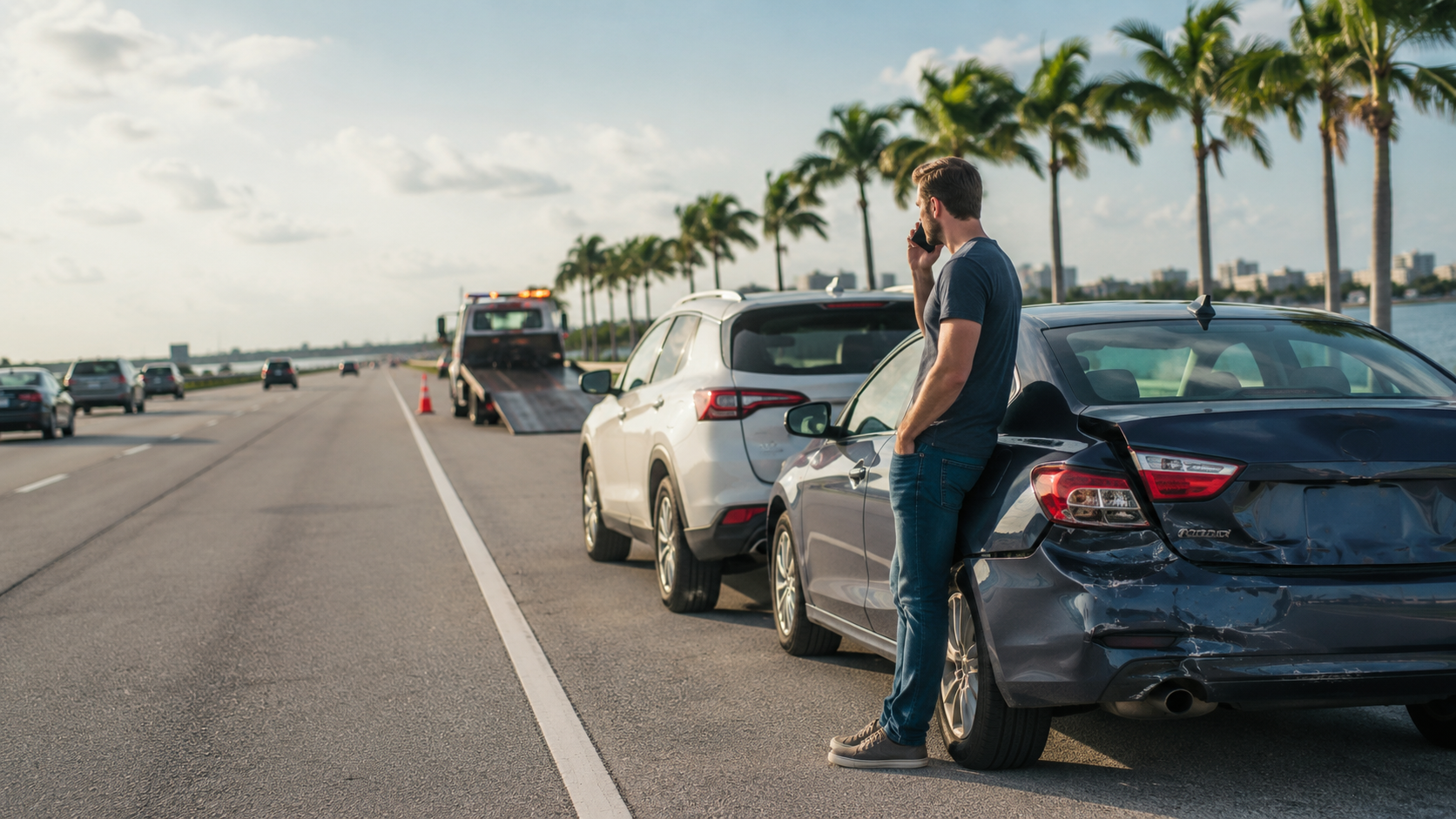
Uninsured Motorist Coverage Explained: When Is It Worth It?
The simplest way to look at it is this: UM coverage protects you against a financial risk that you cannot control.
You cannot know whether every driver on the road has adequate insurance. Even when another driver carries insurance, their policy limits may not be enough to handle a serious accident.
UM and UIM coverage can therefore provide an additional layer of protection.
It may be particularly useful if:
- You drive frequently
- You commute long distances
- You regularly drive in areas with many uninsured motorists
- You have limited savings to handle unexpected medical bills
- You want additional protection for serious injuries
- You do not have strong health or disability coverage
- You want protection beyond the other driver’s liability limits
The cost of adding UM coverage is often relatively modest compared with the potential cost of a serious accident, although premiums vary by insurer, location, coverage limits, driving history, and other factors.
How Much Uninsured Motorist Coverage Should You Buy?
There is no single amount that works for every driver.
A useful starting point is to consider your existing liability limits. Many drivers choose UM/UIM limits that are similar to their bodily injury liability limits, although state laws and insurance company rules can affect your options.
Think about your potential financial exposure. If a serious accident could create tens or hundreds of thousands of dollars in medical expenses and lost income, very low coverage limits may not provide enough protection.
You should also consider your household income, savings, assets, health insurance, and how much financial risk you are comfortable accepting.
An insurance professional can help you compare different limits and premiums.
What Is Not Covered by Uninsured Motorist Insurance?
UM coverage has limitations.
For example, it generally does not cover every type of vehicle loss or every accident automatically. Coverage may also be subject to exclusions, policy conditions, limits, and state-specific requirements.
Damage to your vehicle may require collision coverage or another type of property protection. Likewise, injuries to passengers or household members can be subject to specific policy rules.
You should also understand that UM coverage is not a replacement for liability insurance. Liability coverage protects other people when you cause an accident, while UM coverage can protect you when an uninsured driver causes certain losses.
How to File an Uninsured Motorist Claim
If an uninsured driver causes an accident, take steps to protect your claim.
First, contact the police if appropriate and obtain an accident report. Exchange information with the other driver, even if they say they do not have insurance.
Next, document the accident with photographs and collect contact information from witnesses. Seek medical attention if you are injured, even if symptoms seem minor at first.
Then, notify your insurance company as soon as possible. Tell the insurer that the other driver may be uninsured and that you want to make a claim under your UM coverage.
Keep records of medical bills, lost wages, repair estimates, prescriptions, and other accident-related expenses.
Your insurer will review the claim and determine what benefits are available under your policy.
Final Thoughts
Knowing uninsured motorist coverage explained in practical terms can help you make a smarter decision about your auto insurance. This coverage can protect you when an uninsured driver causes an accident and leaves you facing medical expenses, lost income, or other damages.
Although it may not be mandatory everywhere, UM coverage can be valuable because you cannot control whether other drivers carry insurance. Before choosing your limits, compare the cost of coverage with the financial risk you would face without it.
Most importantly, do not look only at the price of your insurance policy. Consider what protection you would actually have if a serious accident happened tomorrow.


